Description
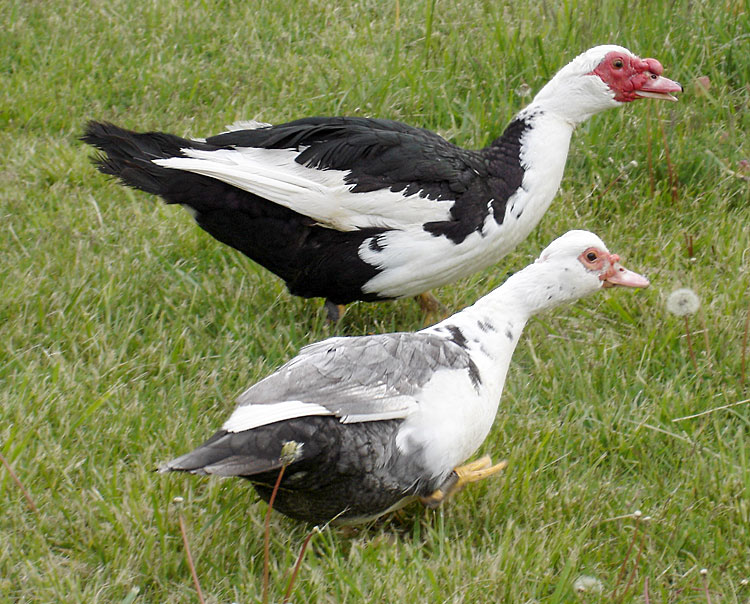
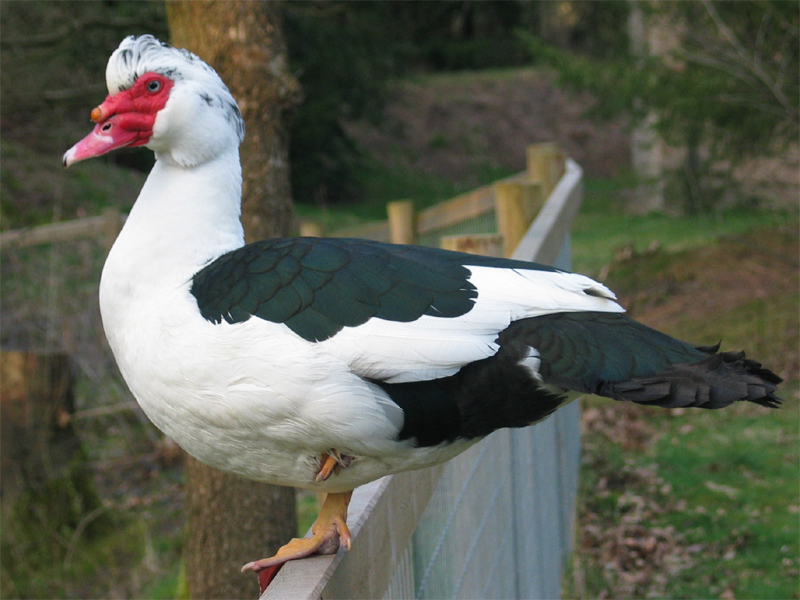
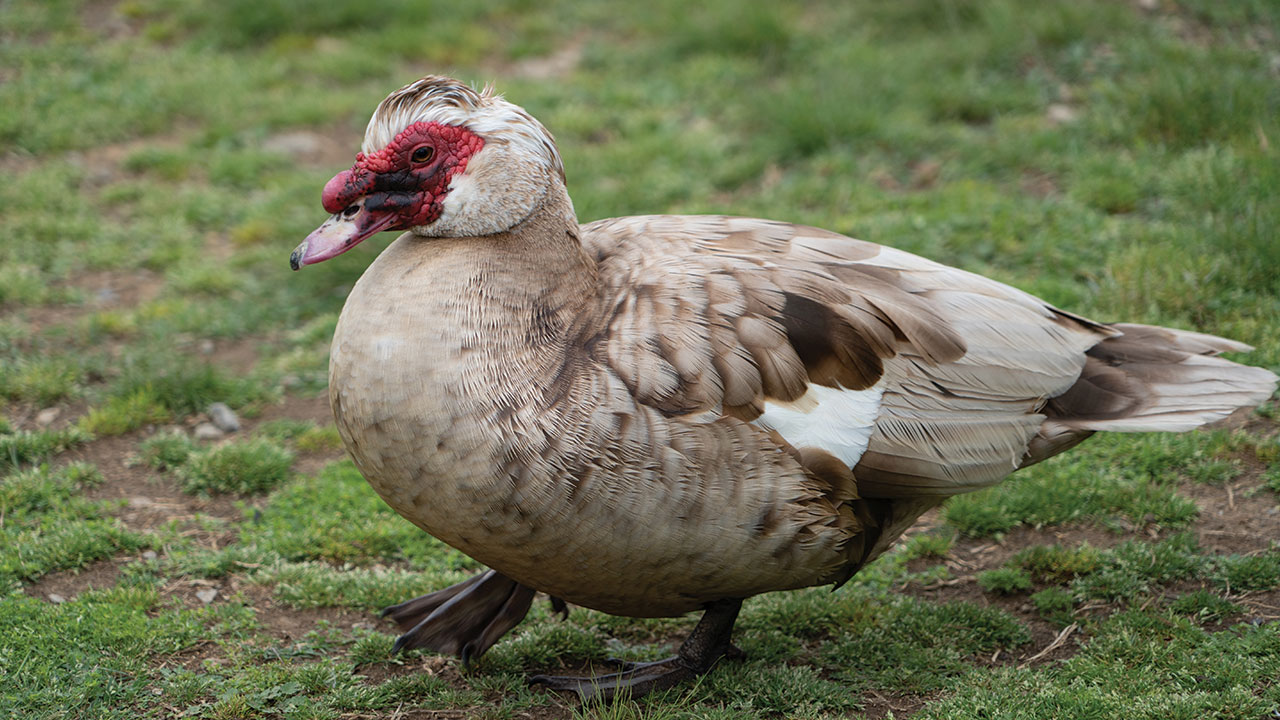
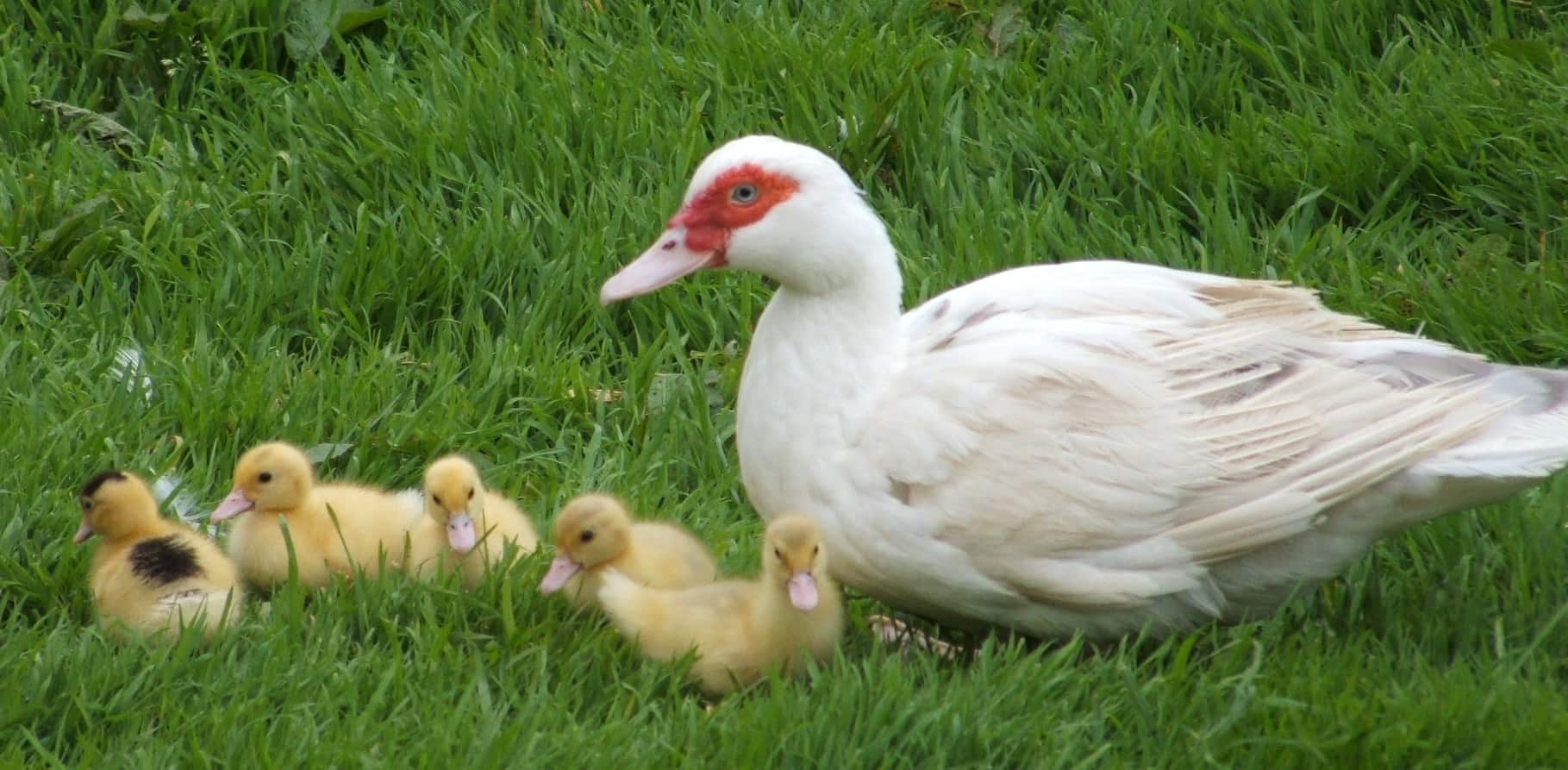
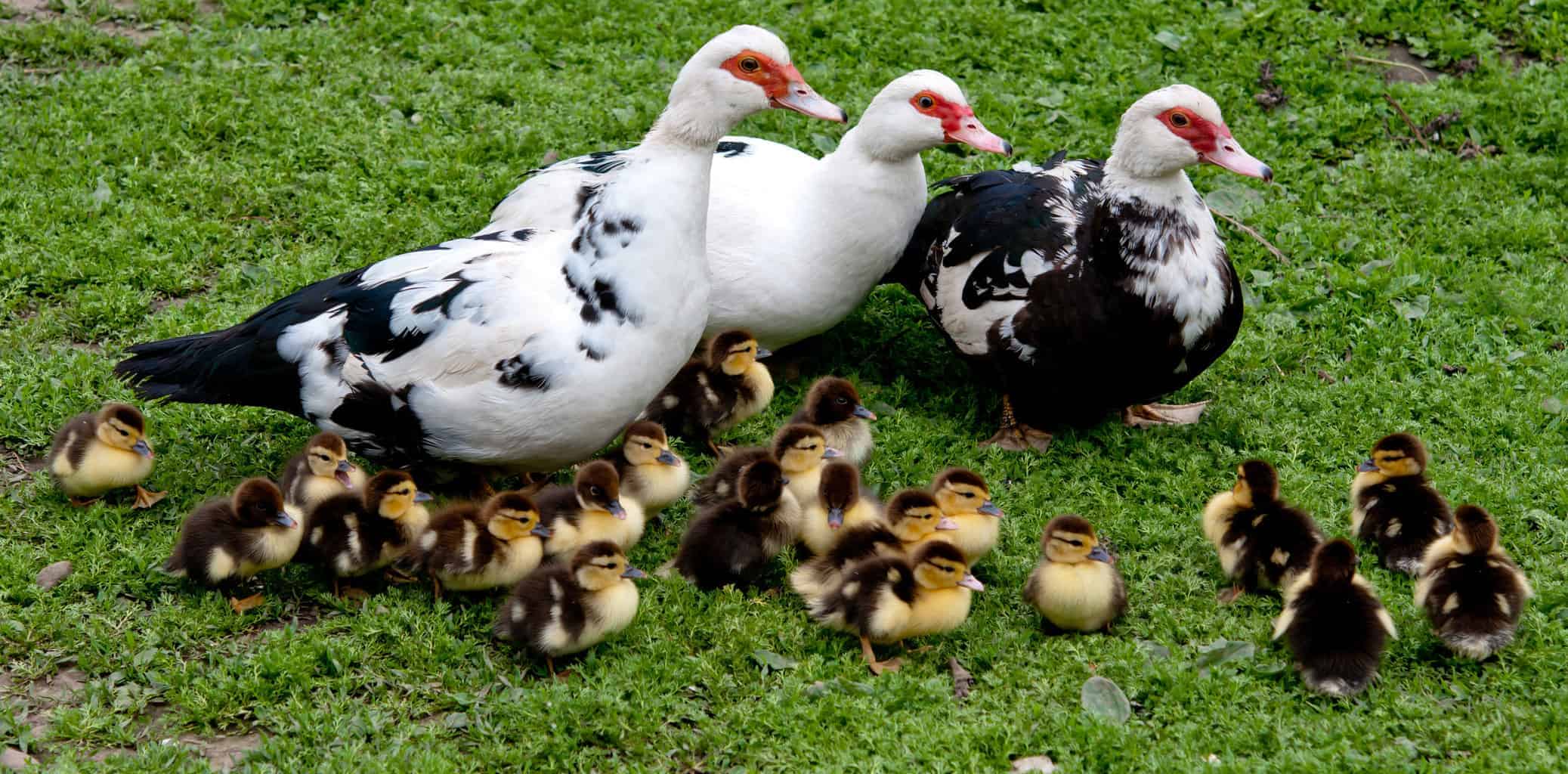
The Muscovy duck was developed in Brazil. Surprisingly, Muscovy ducks are the only domestic ducks that are not derived from Mallard stock. The wild Muscovy has a distinct color palette of black and white. Domesticated Muscovy have many different colors. The males can grow to be quite large, weighing 10-15 lbs. Most of the females are 5-7 pounds but can reach up to 9 and sometimes 10 lbs. Their feet are equipped with strong sharp claws for grasping tree branches and roosting. Muscovys are unique because of their bright red caruncles around their eyes and above the beak. They do not swim much because their oil glands are under developed compared to most ducks. Muscovy drakes can set three times a year, and the egg clutches can vary from 8 to 21 eggs. The eggs are incubated for 35 days. An interesting quality of the Muscovy is the noise they make. It sound more like a pant than a hiss. They are considered friendly ducks but are wary of humans. These ducks are less likely to contract and illness than other ducks.
Varieties
Blue, Blue and White, Chocolate, Chocolate and White, White, Black, Black and White, Lavender, and Calical.
It is a large duck, with the males significantly larger than the females. The males are 76–84 cm (30–33 in) long and weigh up to 3–4 kg (6.6–8.8 lb); females are 71–76 cm (28–30 in) long and 1.25 kg (2.8 lb) weight, roughly half the weight of the males. The wingspan is from 137 to 152 cm (54 to 60 in). The plumage is predominantly black, with large white patches on the wing; the back and wing feathers being iridescent and glossy in males, while the females are more drab. Muscovy ducks have long claws on their feet and a wide, flat tail.
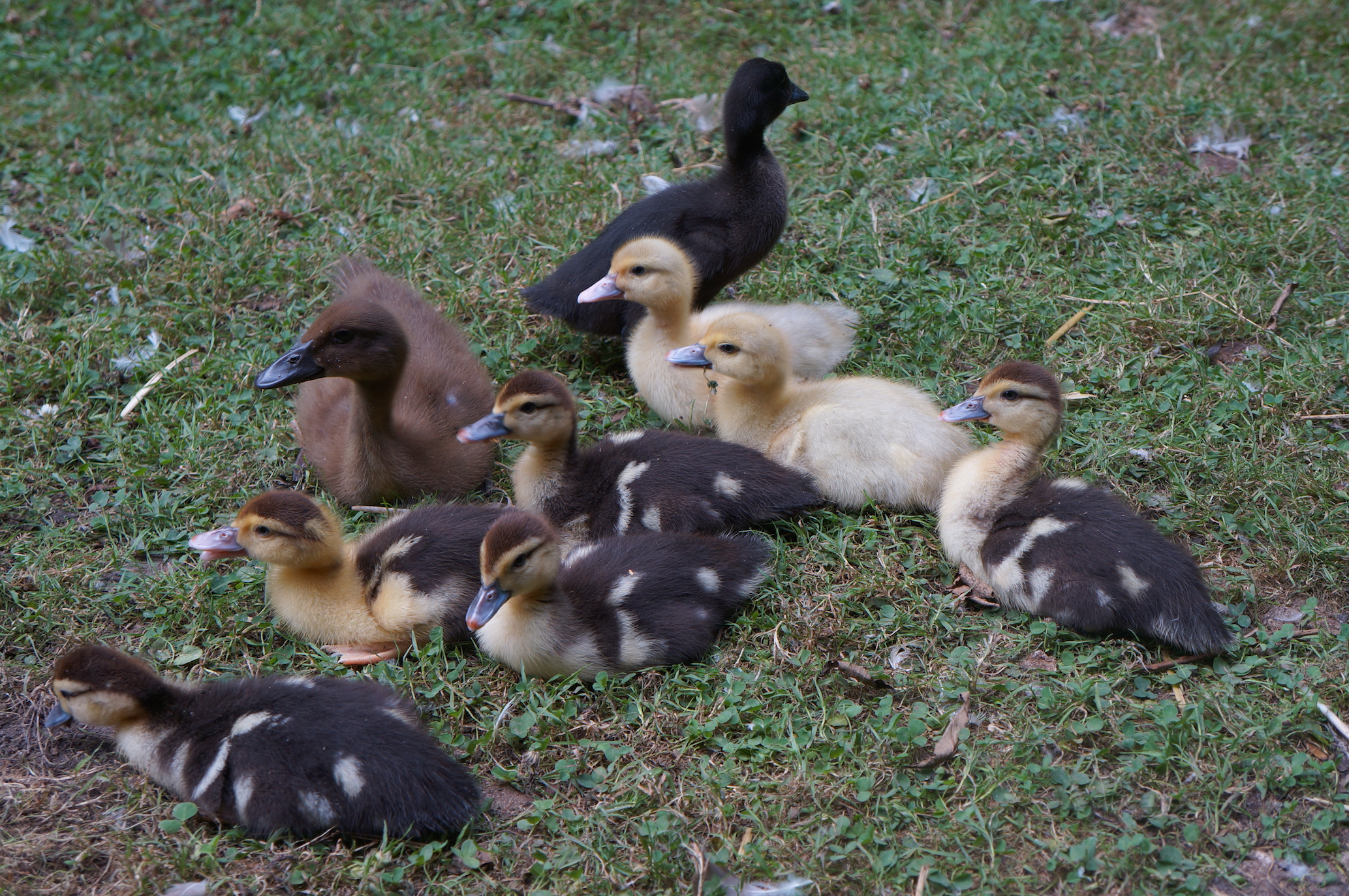
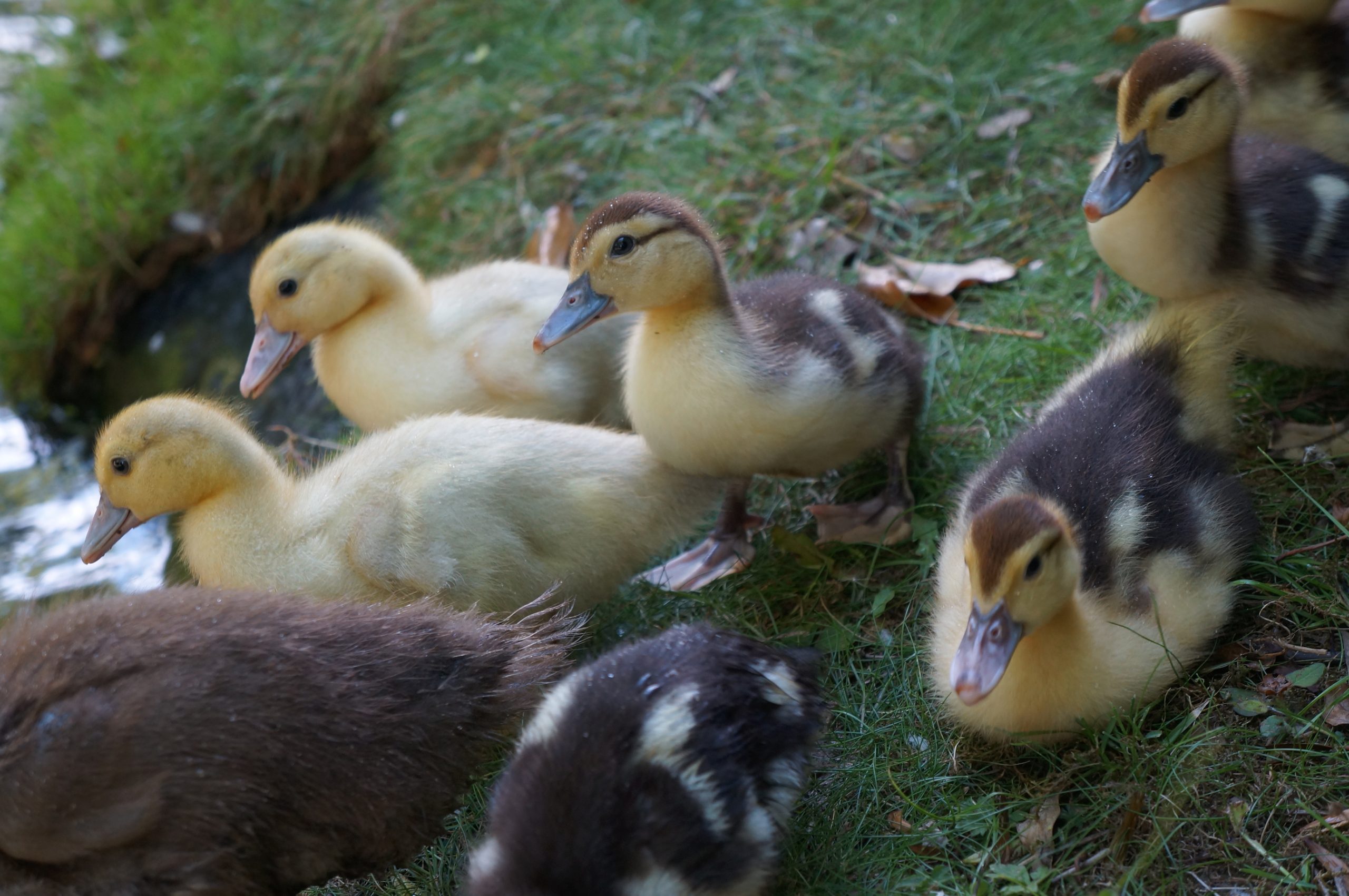
On the head, the male has a short crest on the nape. The bill is black with a speckling of pale pink. A blackish or dark red knob can be seen at the bill base, which is similar in color to the bare skin of the face. The eyes are yellowish-brown. The legs and webbed feet are blackish. The female is similar in plumage, but smaller, with a feathered face and lacking the prominent knob. The juvenile is duller overall, with little or no white on the wing.
The drake has a low breathy call, and the hen a quiet trilling coo.


Reviews
There are no reviews yet.