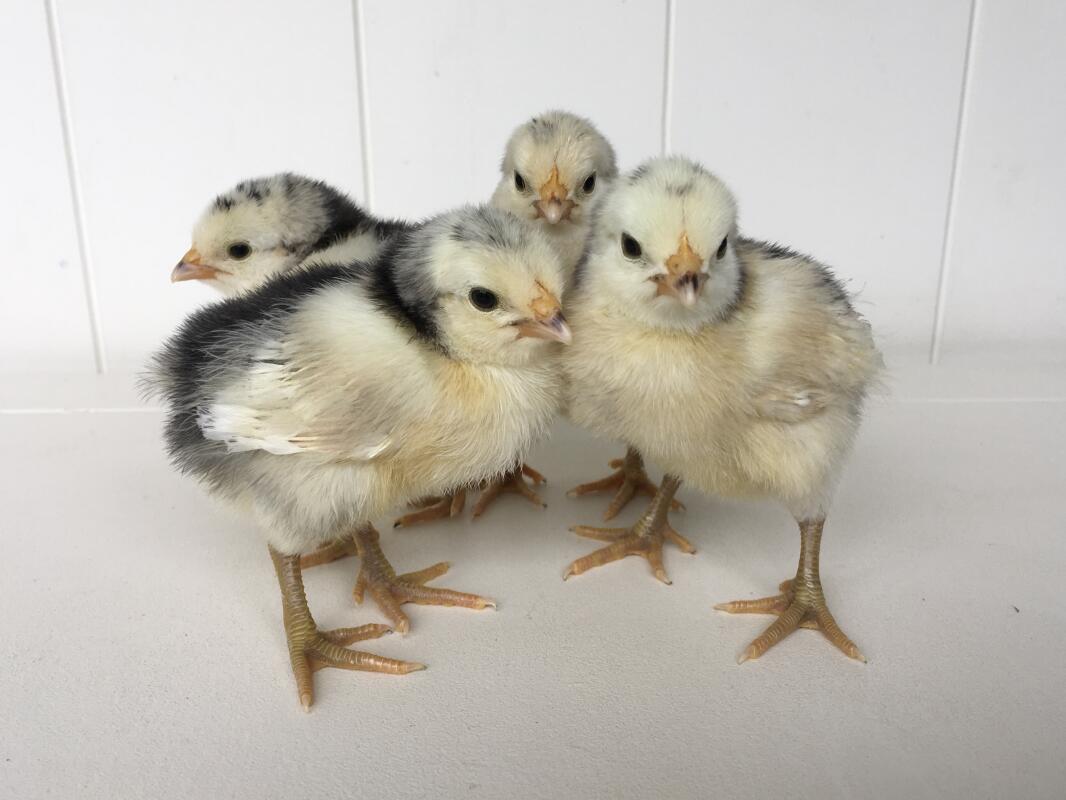
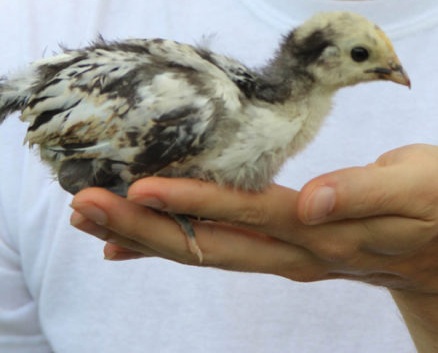
Description
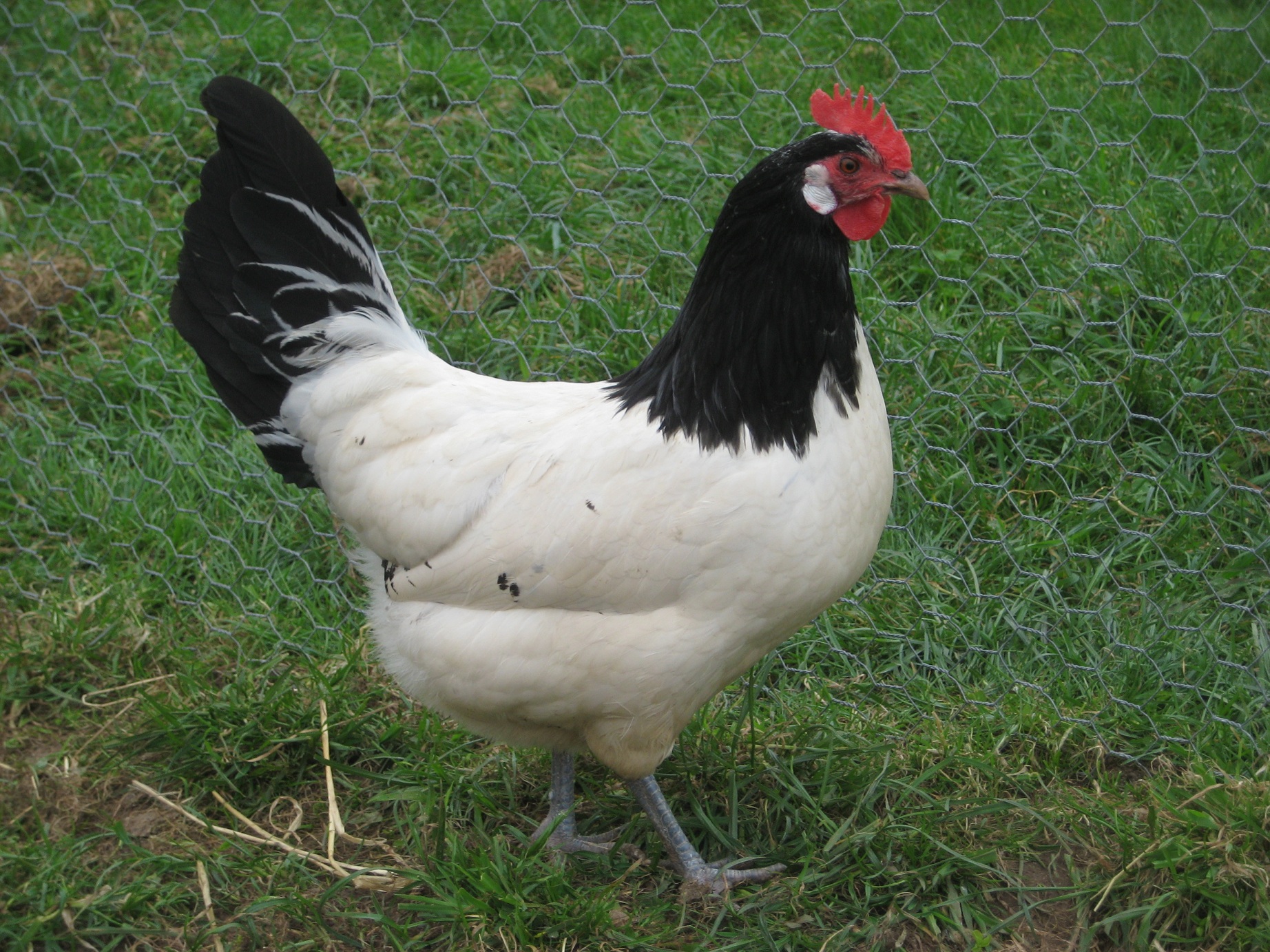
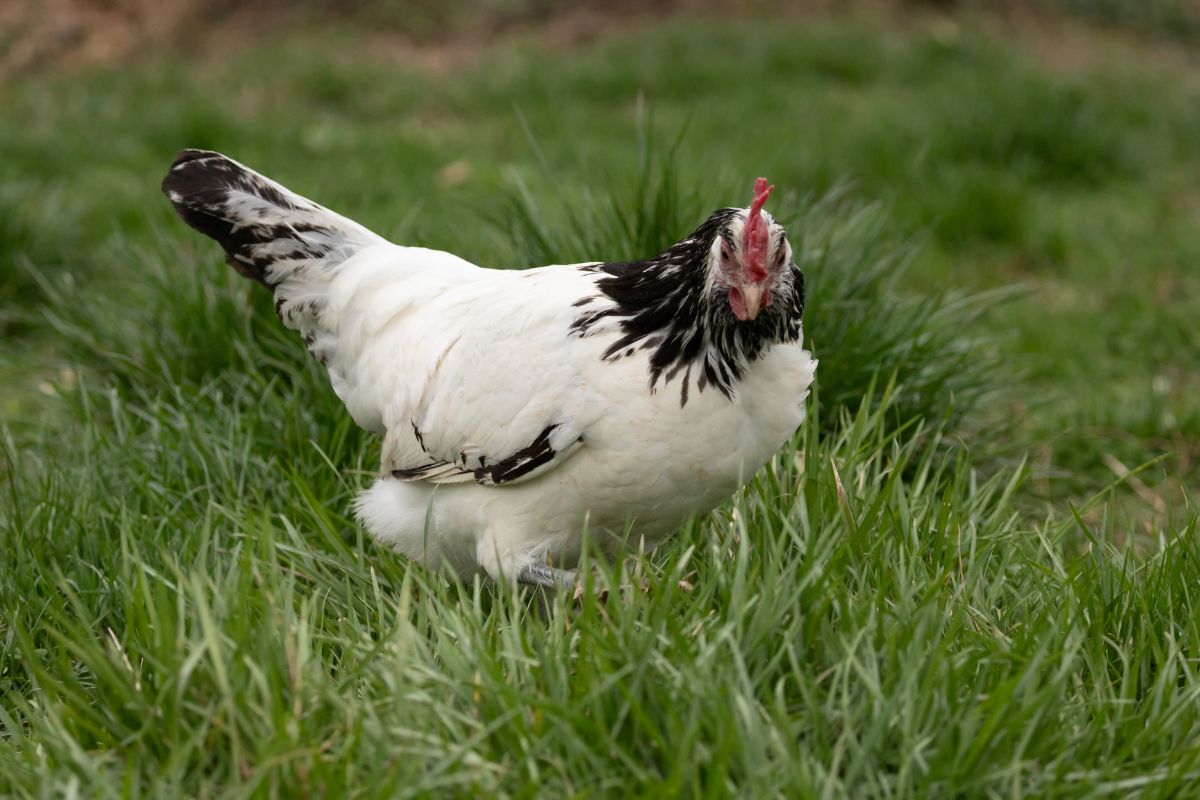
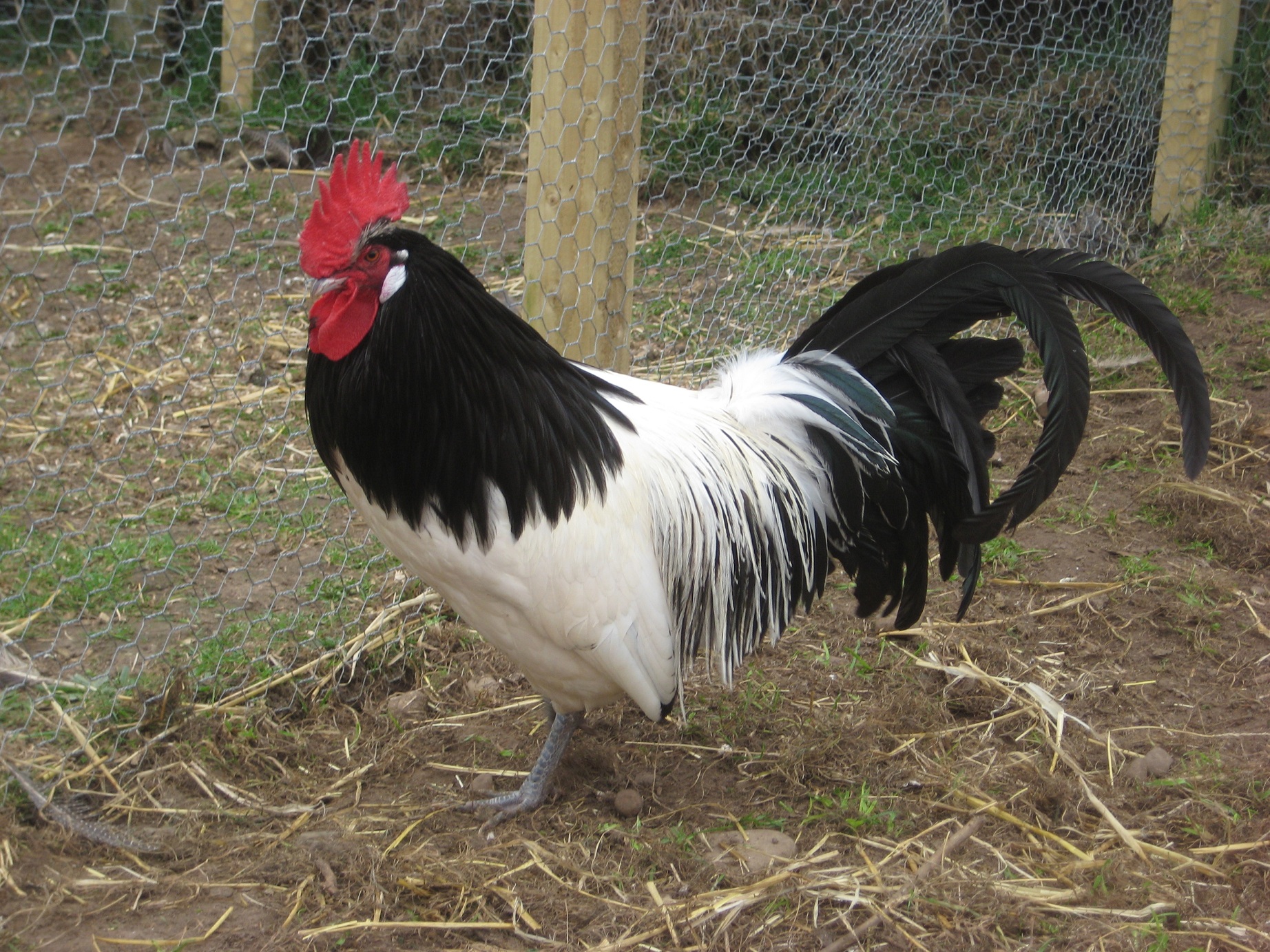
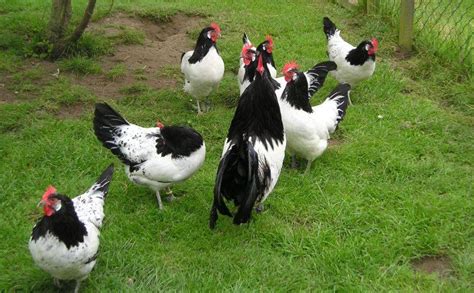
The Lakenvelder is named for its color pattern. In the Netherlands, a color pattern of a white trunk area with black extremities is known as Lakenvelder markings. It occurs in several domestic species, including cattle, pigs, guinea pigs, and rabbits. In English, we often refer to these markings as Dutch or Belted.
ORIGIN: Probably developed in both Germany and the Netherlands from related foundation stock. Both German and Dutch breeders have records that suggest the breed was developed in their respective countries. However, its early origins are unclear. Dutch and Belgian breeders believe that they’re descended from Jerusalem fowl, an ancient breed that arrived in Europe during the Roman era. While “Lakerveld” chickens were described in the Netherlands in 1727, German breeders claim they developed the breed in the 1800s from their local landrace and Silver Campines. They described their coloration as like a white sheet (Laken) on a black field (Feld).
The coloration was likely perfected in both countries, as there were various Silver Penciled breeds in this part of Europe, from which the belted pattern could have emerged through careful selection. Similarly, chickens (or their eggs) of similar genetic foundation may have traveled with migrants between the two countries.

The History of the Lakenvelder Chicken
The first written account of black and white chickens is from a traveler who noted a lot of fowl raised around the Dutch hamlet of Lakerveld in 1727. The writer states that Lakerveld fowl were famous for their flavorful meat and eggs, and for their plumage, which was mostly white and black. Until this travelogue was quoted in an article in 1925, even Dutch breeders considered the breed to be German.
Development in Germany
In Germany, after the fall of Napoleon in 1815, serfdom was abolished, but farming families still lived in poverty. On a diet of mainly turnips, peas, lentils, black bread, and oatmeal, meat was only served on special occasions. To make meat more available, poultry breeders in Westphalia set out to improve the German landrace chicken by crossing with the Belgian Campine.
The description of the German landrace chicken by Dr. Blanke in 1908 reflects the conformation and habits of the modern Lakenvelder, including its active, wide-ranging nature, the slate-blue legs and beak, single comb, long shiny sickle feathers, and firm plumage. However, coloration was highly varied. Although not large in size, the meat was prized, and the bird’s foraging skills and hardiness were valued in the region’s harsh and changeable weather.

As well as refining the local landrace, Campine, and Westphalian Totlegers (aka Deathlayer) flocks, they discovered a sport of the Silver Penciled pattern where the head and tail remained black. Breeders then selected this line to reduce penciling in the body plumage to be as white as possible, while retaining the black head and tail. They achieved this by 1835.
Rediscovery in the Netherlands
When defining the list of native breeds in 1915, the Nederlandse Hoenderclub (NHC, the Dutch poultry club) referred to Van der Aa’s 1846 Aardrijkskundig Woordenboek (Geographical Dictionary), which states, “The Lakervelt hamlet is famous for its fowl.” The NHC wrote to the mayor of Lexmond and Lakerveld to enquire about the breed. The mayor replied that the breed was unknown, even among older residents. Thus, originally the NHC didn’t recognize the breed. However, in 1921 C. S. Th. Van Gink published his book of paintings De Hoenderrassen which helped to promote the breed in the Netherlands. Following the 1925 publication of the travelogue excerpt, the Dutch claimed it as their own.

Worldwide Status
After the 1830s, the breed became well-known in both countries and then spread to Britain and America at the turn of the century. The APA accepted the Lakenvelder standard in 1939. It remained popular in Europe until the 1970s when farmers converted to modern high-yielding breeds.
SKIN COLOR: White.
COMB: Single, red, and medium-sized.
POPULAR USE: Dual-purpose, although mainly for eggs in modern times.
EGG COLOR: White to tinted.
EGG SIZE: Small to medium.
WEIGHT: Adult hens 4 to 4½ lb pounds (1.8 to 2 kg); roosters 5 pounds (2.3 kg). Market weight is 3½ to 4 pounds (1.4 to 1.8 kg).

Reliant Qualities of the Lakenvelder Chicken
EGG PRODUCTION: Hens lay 150 to 200 eggs per year. Hens rarely go broody.
TEMPERAMENT: Active and alert, they thrive out at range and are distressed by confinement. They suit a self-sufficient lifestyle in a free-range setting. As they can be flighty, it’s recommended to gently habituate them to humans and other animals, by regularly attending to them from when they’re chicks. In a mixed flock, they may dominate more docile breeds.
ADAPTABILITY: As enthusiastic foragers on the lookout for predators, they’re well able to provide for themselves out at range with little extra feed. The original German chickens were well-suited to the cold, harsh, and changeable climate in Westphalia. The Dutch lines were also known for their hardiness. However, in recent times they’ve been reported to not like the cold, so draft-proof shelter is recommended.

Reviews
There are no reviews yet.